Supporting children locally as fostering changes in Wales
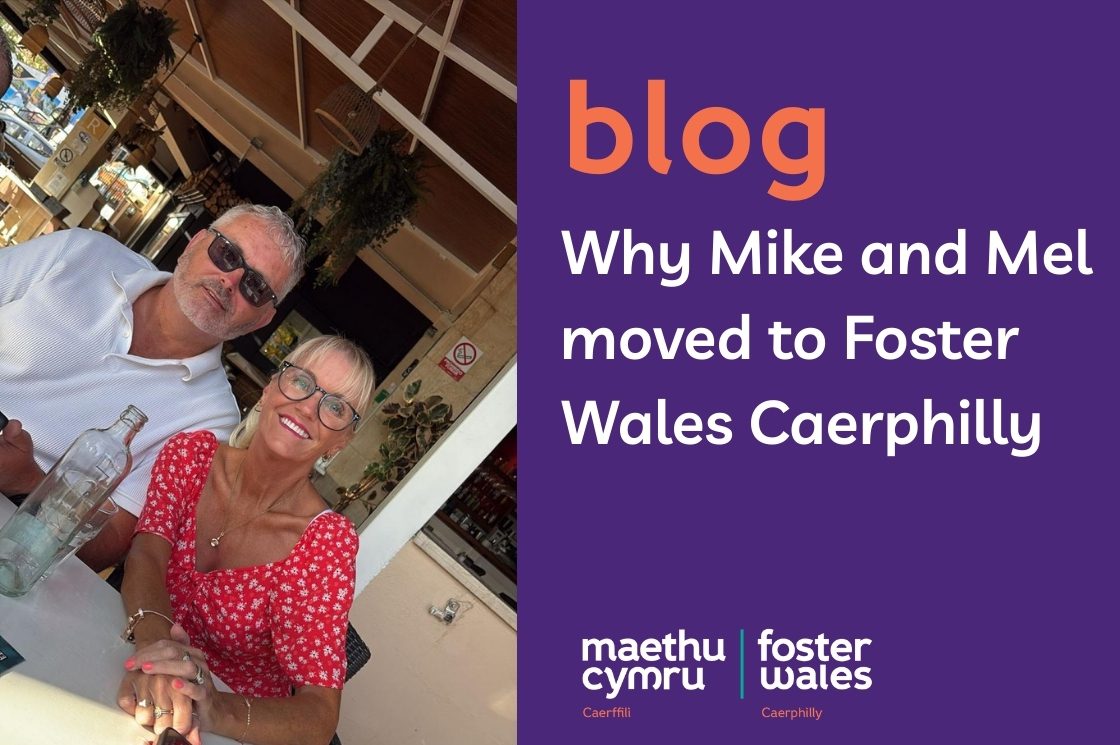
For Mike and Mel, transferring from an independent fostering agency to Foster Wales Caerphilly wasn’t about a bad experience.
In fact, they say the opposite. “There wasn’t anything wrong with our agency. We had a good relationship with them.”
But over time, something didn’t quite sit right.
Mike and Mel have a large home with six bedrooms. They’re experienced foster carers, particularly with teenagers, and they’re used to the energy that comes with a busy household. But while fostering with their agency, they found themselves with empty rooms. “We had spare beds and the IFA struggled to help us provide care for more children.”
For a couple who foster because they want to help young people, that was difficult to understand. “If there are children who need homes and we have the space, why isn’t it happening?”
That question eventually led them to consider something they hadn’t seriously thought about before: transferring to their local authority.
Fostering in Wales is changing
Across Wales, the way fostering works is evolving.
The Welsh Government has introduced plans to remove profit from the care of looked-after children. The aim is that children’s services, including fostering, will operate on a not-for-profit basis.
In simple terms, it means money spent on fostering is intended to stay within services that support children and carers, rather than being distributed to shareholders.
Foster Wales brings all 22 local authorities together under one national network, while keeping fostering services rooted in local communities.
For carers like Mike and Mel, that shift made them think more about where they wanted to sit within the system. Not because their agency had done anything wrong, but because they wanted to be closer to where decisions about children are made.
Making better use of their home
One of the biggest factors for Mike and Mel was simple capacity. They knew local authorities across Wales were under pressure to find homes for children, particularly teenagers. And they had space.
“We knew the local authority would be more able to utilise our extra capacity.”
At one point, they were even offered payment to hold a placement open. “The IFA even offered to pay us for an extra child’s placement without giving us an extra child.”
For them, that didn’t feel right.
Fostering, in their eyes, isn’t about holding a place on paper. It’s about a child actually living in that room, being part of the household. By transferring to Foster Wales Caerphilly, they felt they could offer their home where it was most needed.
Fewer layers, clearer communication
Another change they noticed after transferring was how things worked day to day. When fostering with a local authority, everyone involved in a child’s care is working within the same organisation. Supervising social workers, children’s social workers and decision-makers are part of the same system.
“The local authority are much more flexible… things are more straightforward.”
Mike and Mel say this can make problem-solving easier.
“When we need to discuss problems with the children, meetings to resolve these issues seem to happen quicker than before as there are less agencies involved.”
For carers supporting several teenagers, that clarity matters. It means less back and forth and more focus on what young people need.

Feeling recognised as experienced carers
Transferring can feel daunting for foster carers. One of the most common worries is whether you’ll have to start again or prove yourself all over.
That wasn’t Mike and Mel’s experience.
“The local authority were aware of our experience mainly with teenagers and our ability to manage a large household.”
Their supervising social worker quickly built a strong working relationship with them, understanding the realities of daily life in their home. They also feel their voice carries weight when decisions are being made.
“We constantly get told about the good job we are doing and our opinions are taken on board when making decisions about the children’s care and needs.”
For experienced carers, that sense of trust is important.
A practical decision as much as a value one
Finances are often part of the conversation when foster carers consider transferring.
When Mike and Mel transferred, Foster Wales matched the payments for the children already living with them to reduce the immediate impact. But their decision was less about comparing allowances and more about how their home could be used.
With six bedrooms and experience supporting teenagers, they wanted to know their space could genuinely help children who needed it. “As we have six bedrooms we know the local authority will make better use of our space and that brings about a bit more security.” For them, it came back to the same principle that first made them consider the move.
If children need homes, and they have space, they want to be part of the system that connects the two.
Thinking about transferring?
For some foster carers, the move to not-for-profit fostering in Wales is prompting new conversations. Not because their current arrangements are wrong, but because the system around them is changing.
Mike and Mel’s experience shows that transferring doesn’t mean starting again. Your experience is recognised, and the process is designed to be as smooth as possible.
Sometimes the decision isn’t about something being broken.
Sometimes it’s about asking where your home, your skills and your experience can make the biggest difference.
If you’re fostering with an independent agency and wondering what transferring might look like, Foster Wales Caerphilly can talk you through it confidentially. If you’ve stumbled across this blog and live outside of Caerphilly, contact your local authority team from the Foster Wales national website here.